March 25, 2026
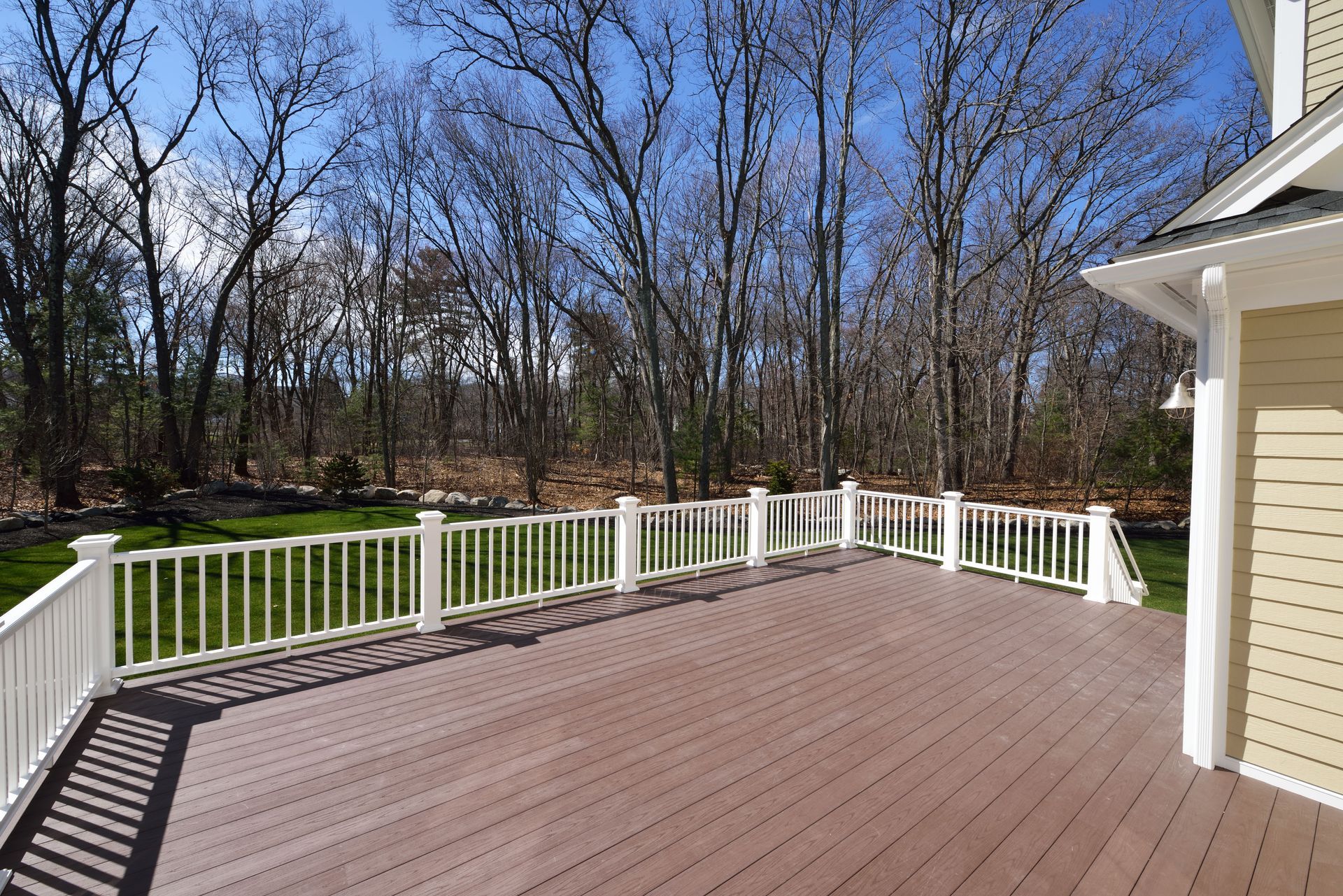
Older patios can carry a certain charm. The weathered stones, the faded wood, the memories of countless summer afternoons — they all tell a story. Yet, over time, the signs of wear become more than just aesthetic concerns. Cracks, uneven surfaces, or outdated designs can impact the usability and safety of your outdoor space. Updating these areas doesn’t just improve looks; it restores function and creates a welcoming environment for family and friends.
Identifying Signs of Structural Deterioration
One of the first steps in improving an older patio is recognizing when structural issues are present. Uneven slabs, sinking corners, or visible cracks often indicate that the foundation beneath your patio may be compromised. These problems aren’t just cosmetic; they can lead to water pooling, tripping hazards, and even long-term damage to your property. Homeowners frequently overlook small cracks, but over time, they can widen due to weather cycles, tree roots, or soil movement. Addressing structural deterioration early helps prevent more extensive repairs and ensures the patio remains safe for everyday use.
A professional inspection can reveal hidden concerns. Sometimes the damage isn’t visible on the surface, and only a trained eye can detect subtle shifts in the base or subgrade. By pinpointing these issues early, homeowners can plan improvements that restore both stability and aesthetic appeal. Ensuring that your patio has a solid foundation is crucial for any further design upgrades, creating a lasting outdoor space that’s as functional as it is inviting.
Assessing Wear and Tear on Materials
Patios experience constant exposure to the elements, which can lead to noticeable wear and tear. Stone, concrete, and wood all have different lifespans and vulnerabilities. Concrete may crack or discolor, while wood can splinter or rot. Even brick patios can loosen over time, creating uneven surfaces that are uncomfortable to walk on. Understanding how materials age is an important step in planning improvements.
It’s also helpful to consider the interaction between different materials. Older patios might combine several surfaces, each aging at a different rate. This can lead to areas of weakness that detract from the overall look and functionality. Material assessment informs the choice of repairs or replacements, whether it’s reinforcing a concrete slab, sealing stone surfaces, or treating wood for long-term durability. Paying attention to these details ensures that your patio improvements aren’t just a temporary fix but a lasting enhancement.
Enhancing Safety and Accessibility
Older patios often fail to meet modern safety and accessibility standards. Uneven surfaces, low railings, or sharp edges can pose risks, particularly for children, elderly family members, or guests with mobility challenges. A patio should be an extension of your home’s comfort, not a potential hazard. Beyond these obvious concerns, subtle issues like worn edges, loose pavers, or hidden tripping spots can go unnoticed until they cause problems. Considering these details ensures that everyone can enjoy the outdoor space without worry, and it helps prevent small issues from turning into larger safety hazards.
Updating railings, steps, and lighting can dramatically improve safety. Adding subtle changes like anti-slip surfaces, smooth transitions between levels, and well-placed handrails ensures that the patio can be enjoyed by everyone. Thoughtful placement of lighting not only enhances visibility at night but also highlights pathways and reduces shadows where accidents might occur. Accessibility isn’t only about compliance; it’s about creating an inclusive space where all visitors can move freely and safely. Safety-focused improvements can also enhance the longevity of your patio, as well-maintained surfaces are less prone to damage over time. These combined efforts create a welcoming outdoor environment that’s both beautiful and functional for every member of the household.
Integrating Modern Design Elements
While structural stability is essential, design plays a significant role in revitalizing older patios. Trends and preferences evolve, and what looked stylish years ago may now feel outdated. Integrating modern elements can breathe new life into your outdoor space without losing its original charm. Thoughtful design improvements can also help your patio better reflect your lifestyle, whether you entertain frequently, enjoy quiet relaxation, or host family gatherings.
Consider updating furniture layouts, adding built-in seating, or incorporating decorative features like planters, fire pits, or pergolas. Even subtle changes, like refreshing the color palette, introducing textured surfaces, or improving lighting, can transform the patio’s ambiance. Adding elements like outdoor rugs, cushions, or movable partitions can create intimate zones and encourage more flexible use of the space. Modern design integration is about balancing aesthetics and function, creating an outdoor space that feels cohesive, inviting, and reflective of your personal style. Patios that blend contemporary design with their existing structure offer the best of both worlds: familiar charm with renewed vitality, encouraging homeowners to spend more time outdoors and truly enjoy the improvements made.
Improving Drainage and Water Management
Water management is a critical aspect of maintaining a patio. Older patios may have been constructed without proper drainage considerations, leading to standing water, erosion, or water infiltration into your home’s foundation. Over time, this can contribute to structural deterioration and create unsafe conditions.
Effective improvements involve evaluating slopes, installing drains, or adding permeable surfaces that allow water to flow naturally away from the patio. Even slight adjustments can prevent long-term damage and improve usability. Patios that handle water efficiently remain safer, cleaner, and more durable. Addressing drainage concerns during improvements ensures that your patio isn’t just visually appealing but resilient against weather-related wear and tear.
Maximizing Outdoor Functionality
One of the goals of upgrading an older patio is enhancing its utility. Beyond aesthetics, a patio should serve as a versatile extension of your home—whether for dining, entertaining, or relaxing. Older layouts may not reflect current needs, leaving spaces underused or uncomfortable. Taking a closer look at how you and your family actually use the patio can reveal opportunities for improvement. Sometimes, small adjustments like repositioning furniture, creating defined activity zones, or adding flexible seating options can dramatically increase both comfort and usability.
Reimagining the flow, seating arrangements, and zones of activity can transform the patio into a more functional environment. Incorporating elements like shade structures, built-in storage, integrated lighting, or weather-resistant furniture allows for extended use throughout the day and year. Thoughtful additions such as multi-purpose benches or movable planters can create adaptable spaces for dining, reading, or social gatherings. By focusing on practical functionality alongside style, homeowners can create patios that are not just beautiful but also genuinely enjoyable to spend time on, fostering a space where daily life and special occasions blend seamlessly.
Maintaining Long-Term Value and Appeal
Renovating an older patio is an investment in both lifestyle and property value. A well-maintained and thoughtfully designed patio can increase the enjoyment of your home while also enhancing its market appeal. According to IBISWorld, the market size of the remodeling industry in the United States is $164.5 billion in 2026, which underscores the growing emphasis homeowners place on quality improvements.
Long-term value comes from using durable materials, addressing structural issues, and integrating design updates that remain relevant over time. Regular maintenance after improvements, such as sealing surfaces, checking for minor cracks, and keeping drainage systems clear, extends the life of the patio. Patios that combine aesthetic charm, structural integrity, and functional versatility contribute to a home’s overall appeal, creating spaces where memories are made and enjoyed for years to come.
Older patios deserve attention because they bridge the past and the present. With careful assessment, thoughtful design, and strategic improvements, any aging patio can be transformed into a safe, functional, and inviting outdoor space. For a comprehensive upgrade that addresses both structure and style, contact Acadiana Contractors.