August 10, 2026
Installing rain gutters is an important home improvement project that helps protect a property from water damage and preserve its long-term condition. Although gutters are often overlooked compared to more noticeable exterior features like roofing, siding, or landscaping, they play a major role in directing rainwater away from vulnerable areas of a home. Without an effective drainage system, water can collect around the foundation, damage exterior materials, and create moisture-related issues that become more expensive to repair over time.
When planning a gutter installation, homeowners have several important decisions to make. The material, size, design, installation method, and maintenance requirements all affect how well a gutter system performs. The right choice depends on factors such as the home’s size, local weather conditions, budget, and overall appearance preferences.
Whether replacing old gutters or installing a system for a newly constructed home, understanding the available options can help homeowners make informed decisions. Properly selected and installed rain gutters provide reliable protection by controlling water flow and reducing the risk of structural damage.
Why Are Rain Gutters Important?
Rain gutters serve a simple but essential purpose: collecting water that runs off a roof and directing it away from the home. During a heavy storm, a significant amount of water can flow from the roof onto the ground below. Without gutters, this water may accumulate near the foundation, seep into cracks, or damage surrounding landscaping.
One of the biggest benefits of rain gutters is their ability to prevent water damage. When water consistently falls near the base of a home, it can contribute to soil erosion, basement leaks, and deterioration of exterior surfaces. Over time, repeated moisture exposure may weaken building materials and lead to costly repairs.
A properly functioning gutter system also helps protect the foundation. Foundations are designed to support the entire structure, but excessive water around the base of a home can create pressure against foundation walls. In areas with heavy rainfall or poor drainage, this moisture can contribute to shifting, cracking, or settling issues.
Basement protection is another major reason homeowners invest in quality gutter systems. Water that is not directed away from the home can find pathways into basements through small cracks or openings. By moving water away from the structure, gutters help reduce the chance of leaks, flooding, and moisture buildup.
Beyond structural protection, gutters also help preserve landscaping. Uncontrolled roof runoff can wash away soil, damage plants, and create muddy areas around walkways. A well-designed drainage system keeps water movement predictable and helps maintain the appearance of the property.
What Materials Are Available For Rain Gutters?
Homeowners have several material options when selecting rain gutters, and each choice comes with different advantages related to cost, durability, and maintenance. Understanding the differences between materials can help determine which option best matches a home’s needs.
Aluminum is one of the most widely used gutter materials because it offers a combination of affordability, durability, and versatility. Aluminum gutters are lightweight, resistant to rust, and available in many colors to complement a home’s exterior. They are also relatively easy to install and maintain, making them a popular choice for many residential properties.
However, aluminum is not completely immune to damage. Thinner aluminum gutters may dent from falling branches, ladders, or severe weather conditions. Choosing a higher-quality aluminum product can improve durability and extend the system’s service life.
Vinyl gutters are another common option, particularly for homeowners looking for a lower-cost solution. Vinyl is lightweight, resistant to corrosion, and does not require painting. Because of its simple installation process, it is sometimes selected for smaller projects or homes where budget considerations are a priority.
The main drawback of vinyl is that it may not perform as well in extreme climates. Long-term exposure to intense sunlight or significant temperature changes can cause vinyl to become brittle or crack. Homeowners in areas with harsh winters may want to carefully consider whether this material will provide the longevity they need.
Copper and steel gutters are premium alternatives that offer unique benefits. Copper gutters provide an attractive appearance and develop a natural patina over time, making them a popular choice for historic homes and upscale properties. Steel gutters are known for their strength and ability to handle demanding weather conditions.
How Can You Choose The Right Size And Style For Your Home?
Selecting the correct size and style of rain gutters is essential for ensuring proper water management. A gutter system that is too small may struggle to handle heavy rainfall, causing overflow and potential damage. On the other hand, choosing a system that is larger than necessary may result in unnecessary expenses.
Most residential gutter systems come in standard sizes, with five-inch and six-inch gutters being among the most common. The appropriate size depends on several factors, including roof area, roof pitch, and the amount of rainfall the property typically receives.
Homes located in regions with frequent storms or significant precipitation may require larger gutters and downspouts to handle increased water volume. Climate should always be considered when designing a gutter system because local weather patterns directly affect performance.
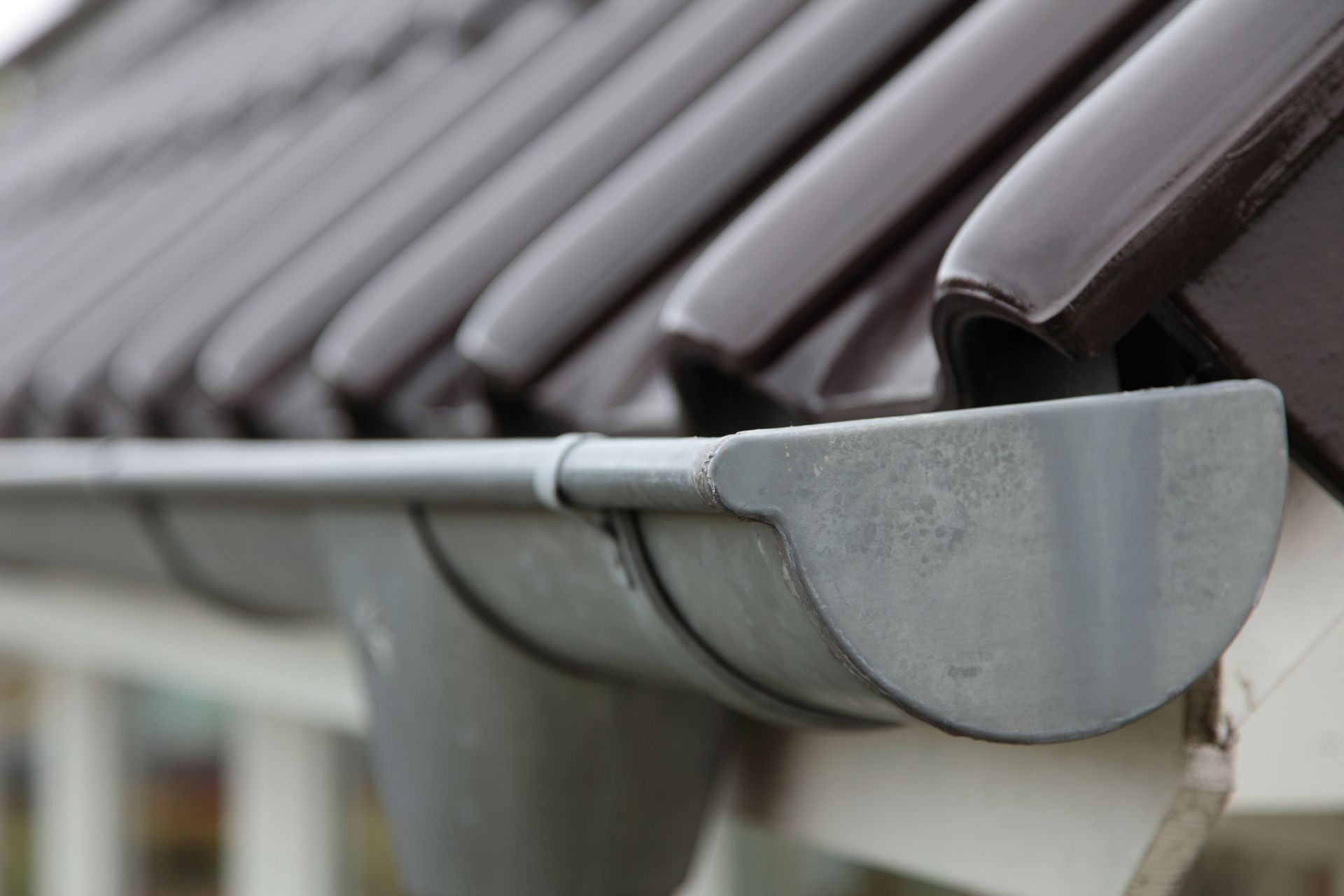
Style is another consideration when selecting gutters. Traditional K-style gutters are popular because they provide a decorative appearance while offering strong water capacity. Half-round gutters provide a more classic look and are often used on older or historic homes.
What Should You Know About Gutter Installation?
The installation process plays a major role in how effectively a gutter system performs. Even high-quality materials can fail if they are installed incorrectly. Proper measurements, secure attachment, and accurate positioning are necessary to ensure water flows correctly toward downspouts.
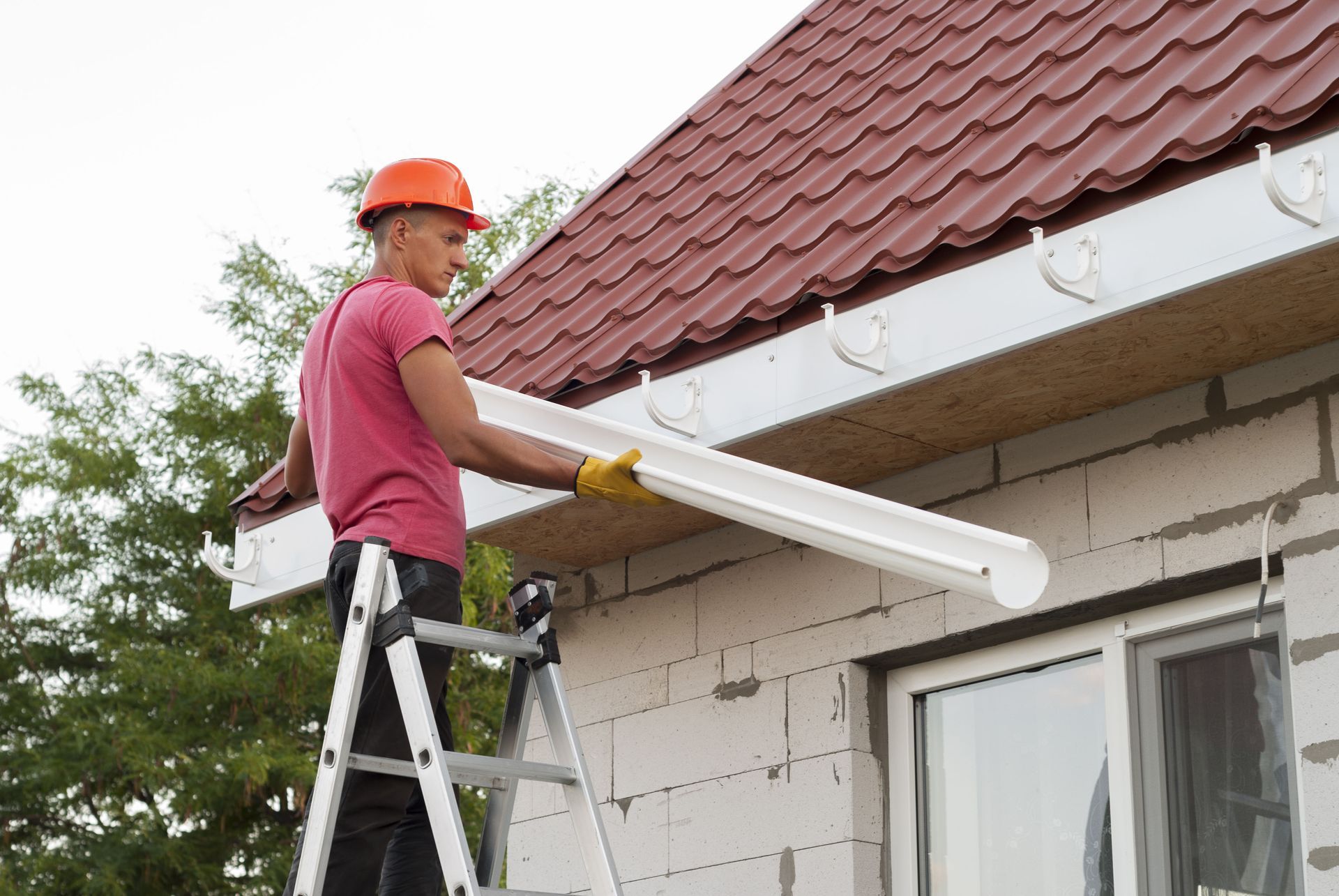
Some homeowners consider installing gutters themselves as a way to reduce costs. DIY installation may be possible for smaller projects, especially for individuals with construction experience and the proper tools. However, full gutter replacement or installation can involve working at heights, making precise measurements, and addressing drainage concerns.
Professional installation can provide several advantages, including proper slope calculations, secure mounting, and knowledge of local conditions. Experienced installers can also identify potential problems with roof edges, fascia boards, or drainage areas before installation begins.
The cost of installing rain gutters depends on many variables, including material choice, labor, home size, and additional features. According to This Old House, a gutter installation project for a 2,000-square-foot home typically costs between $1,132 and $12,067. The wide range reflects differences in materials, project complexity, and installation requirements.
How Do You Maintain Your Rain Gutters?
Proper maintenance is necessary to keep a gutter system working effectively. Even the best-installed gutters can develop problems if they become clogged or damaged. Regular care helps prevent issues and extends the lifespan of the system.
Cleaning is one of the most important maintenance tasks. Leaves, dirt, pine needles, and other debris can collect inside gutters and block water movement. When water cannot flow freely, it may overflow onto the roof, siding, or foundation.
Most homeowners should inspect and clean their gutters at least twice each year, often during spring and fall. Properties surrounded by trees may require more frequent cleaning because debris can accumulate quickly.
Routine inspections are also important for identifying early warning signs of damage. Homeowners should look for sagging sections, loose fasteners, leaks, rust, cracks, or areas where water does not drain properly. Addressing these issues early can prevent more extensive repairs.
Installing
rain gutters is an important investment in protecting a home from water damage and maintaining its structural integrity. By considering factors such as materials, sizing, installation methods, and maintenance requirements, homeowners can select a system that provides dependable performance for years.
The right gutter solution depends on the specific needs of each property. Factors such as climate, roof design, budget, and aesthetic preferences all influence the best choice. Taking time to research options and work with experienced professionals when needed can help homeowners avoid common installation problems.
With proper installation and routine maintenance, a gutter system can effectively manage rainfall, protect the foundation, and help preserve the value and appearance of a home. If you're in need of gutters, reach out to the team at Acadiana Contractors today!